
Common kitchenware mistakes – and what to do instead
The most common kitchenware mistakes are heat that is too high for the material, sudden temperature changes, the wrong cleaning method and careless storage: preheating an empty non-stick pan, adding food to a stainless steel pan before it is hot, putting knives or hand-wash cookware in the dishwasher, and storing boards, flasks and containers while still damp. This guide is organised by product type, and for each mistake it explains why it matters and what to do instead, with dishwasher, oven and induction facts per BergHOFF series.
At a glance
| Product type | Key mistake to avoid |
|---|---|
| Non-stick pans and pots | Preheating an empty pan or cooking on high heat |
| Stainless steel pans and pots | Adding food before the pan is hot |
| Pots, casseroles and glass lids | Cooking on full power with too little liquid |
| Enamelled cast iron | Heating it fast on high |
| Kitchen knives and sharpening | Putting knives in the dishwasher or leaving them to soak |
| Cutting boards | Soaking a bamboo board or putting it in the dishwasher |
| Graters, peelers, utensils and mills | Wiping a sponge across the grater teeth |
| Baking tins | Skipping a light greasing |
| Food containers and lunch boxes | Heating food with the lid sealed |
| Thermal flasks, bottles and kettles | Pouring a hot drink into a cold flask |
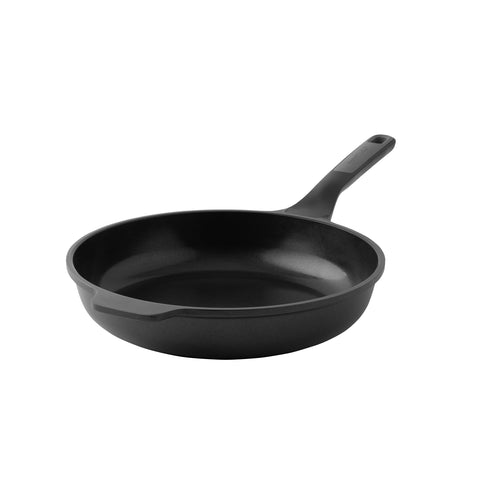
Non-stick pans and pots
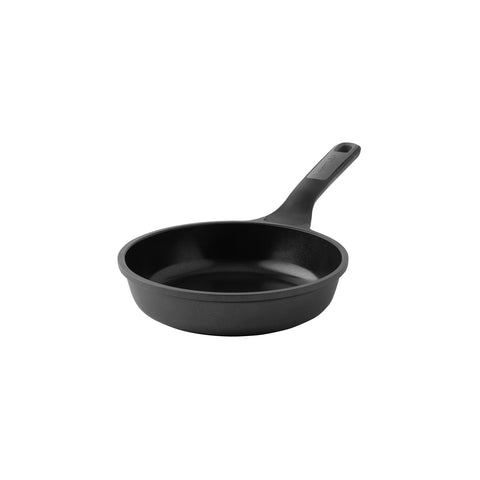
Non-stick pans and pots lose their easy release mainly through overheating and abrasion, so cook on low to medium heat, use wooden, nylon or silicone utensils and wash them by hand unless the product details say otherwise.
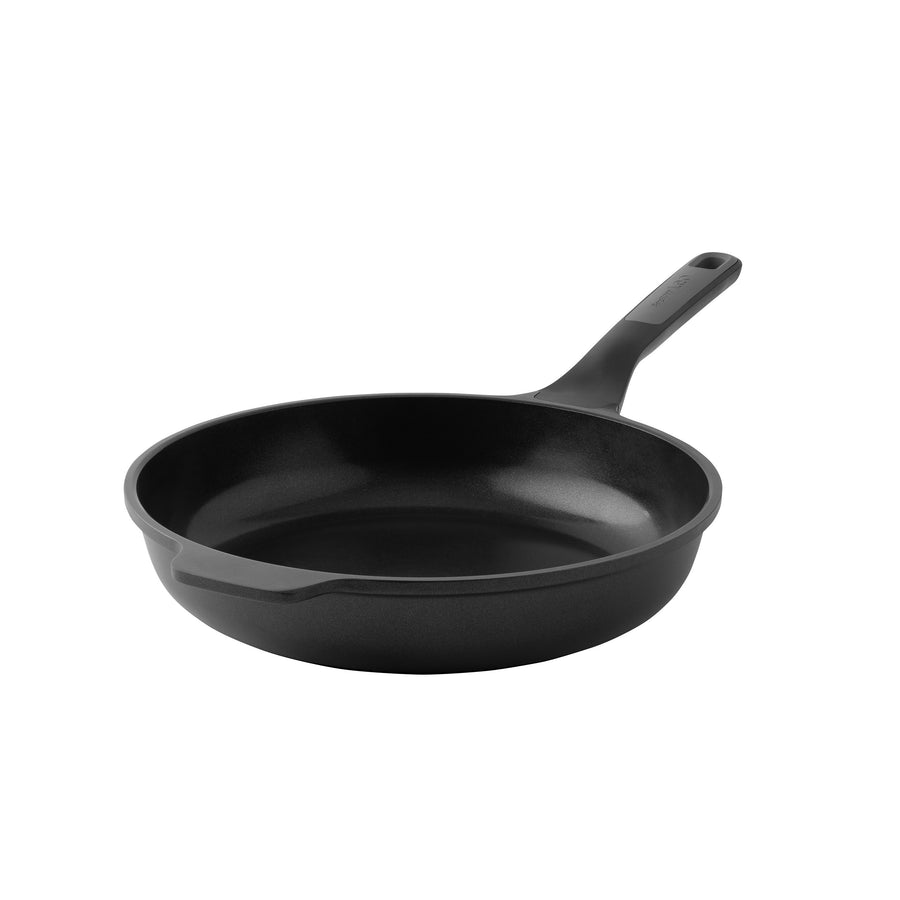
Preheating an empty pan or cooking on high heat
Why it matters: An empty pan heats up very quickly, and too much heat is what wears a non-stick coating fastest. BergHOFF recommends low to medium heat for non-stick cookware and high heat only for boiling water.
Do this instead: Add a little oil or fat before the pan goes on the heat, then cook on low to medium.
Using metal utensils or cutting food in the pan
Why it matters: Metal turners, whisks and knife tips scratch the coating, and food starts to stick wherever it is scratched.
Do this instead: Use wooden, nylon or silicone utensils and move food to a board before you cut it.
Putting a non-stick pan in the dishwasher without checking
Why it matters: All the non-stick cookware we sell is hand wash only according to the manufacturer, including the Balance, Dune, Glints, Stone+, Phantom, Helix, Graphite and Elements non-stick ranges.
Do this instead: Wash by hand with warm soapy water and a soft sponge, and check the product details before using a dishwasher.
Rinsing a hot pan under cold water
Why it matters: A sudden change in temperature strains both the metal and the coating, and a base that has warped no longer sits flat on the hob.
Do this instead: Let the pan cool down before you wash it.
Scrubbing with steel wool, scouring pads or harsh cleaners
Why it matters: Abrasives wear the coating down in the same way as metal utensils, only faster.
Do this instead: Soak stuck-on food in warm soapy water, then wipe it away with a soft sponge.
Going above the pan's maximum oven temperature
Why it matters: The limit depends on the series: 180 °C for Balance, Dune, Glints and Elements non-stick, 230 °C for Graphite non-stick, and it varies by product in the Stone+, Phantom and Helix ranges.
Do this instead: Check the maximum oven temperature in the product details before a pan goes in the oven.
Stacking pans without protection
Why it matters: The base of one pan rubs against the coating of the next every time you take them out of the cupboard.
Do this instead: Put a pan protector or a soft cloth between stacked pans, or hang them up.
Treating a non-stick wok or pancake pan as if different rules applied
Why it matters: The non-stick woks from Balance, Dune and Stone+ and the non-stick pancake pans have the same CeraGreen coating as the frying pans in their series, so very high heat wears them just as quickly.
Do this instead: Cook in a coated wok or pancake pan on medium heat; for very high wok heat, choose an uncoated stainless steel wok such as the Helix wok.
| Series | Dishwasher | Oven (max.) | Induction | PFAS-free according to the manufacturer |
|---|---|---|---|---|
| Balance | Hand wash only | 180 °C | Yes | Yes |
| Dune | Hand wash only | 180 °C | Yes | Yes |
| Glints | Hand wash only | 180 °C | Yes | Yes |
| Graphite (non-stick) | Hand wash only | 230 °C | Yes | Yes |
| Stone+ | Hand wash only | See product details | Yes | Yes |
| Phantom | Hand wash only | See product details | Yes | Yes |
| Helix (non-stick) | Hand wash only | See product details | Yes | Yes |
| Elements (non-stick) | Hand wash only | 180 °C | Yes | Yes |
Manufacturer data per series. The CeraGreen coating (Balance, Dune, Glints, Stone+, Phantom, Helix and Graphite non-stick) and the ceramic coating of the Elements non-stick pans are PFAS-free according to the manufacturer.
Products in this section
Read more
Shop the range
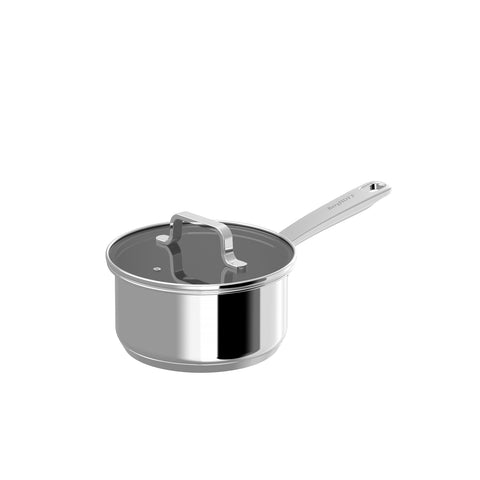
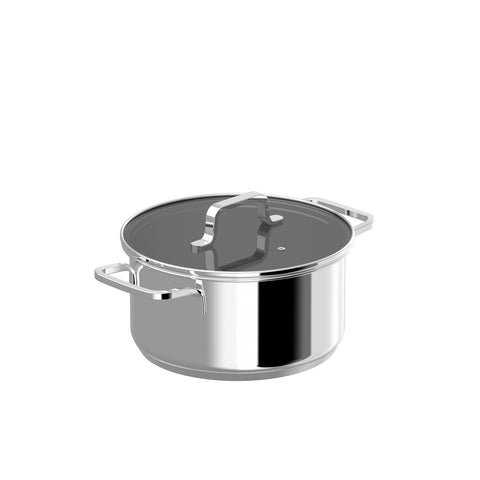
Stainless steel pans and pots
Food sticks to a stainless steel pan mainly when the pan is not hot enough or the food goes in too early, so preheat on medium heat, add the oil, then the food, and let it release before you turn it.
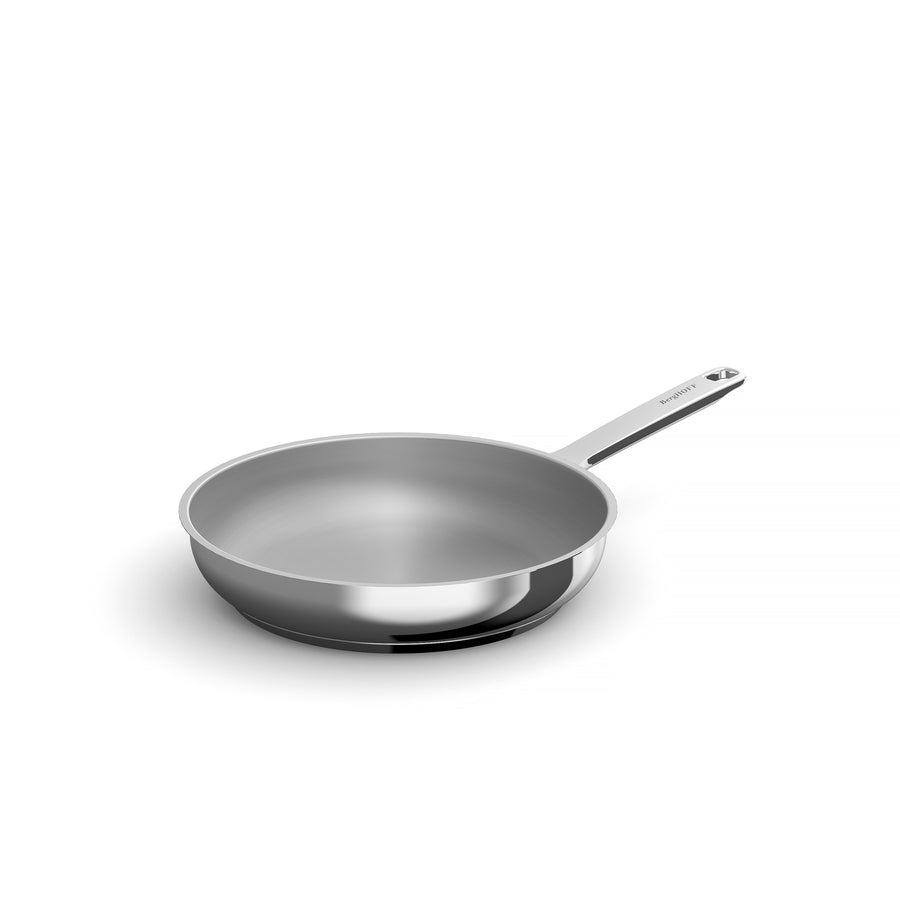
Adding food before the pan is hot
Why it matters: In a pan that is still too cool, meat, fish and eggs grip the steel, and turning them too early tears them.
Do this instead: Preheat on medium, add the oil, then the food, and wait until it lifts from the base on its own before turning it.
Salting the water before it boils
Why it matters: Salt that settles on the base of a pot of cold water can leave small dark pits in the steel, and pits cannot be polished out.
Do this instead: Add salt only once the water is boiling, and stir until it dissolves.
Leaving salty or acidic food standing in the pan
Why it matters: Tomato sauce, vinegar or salty water left in the pan for hours can stain the surface.
Do this instead: Move leftovers into a food container and wash the pan once it has cooled.
Cleaning with steel wool or chlorine bleach
Why it matters: Steel wool scratches polished and satin finishes, and chlorine bleach can stain and pit stainless steel.
Do this instead: Use a sponge or a nylon scourer; for burnt-on food, simmer water with a spoonful of baking soda and loosen the residue with a wooden spatula.
Mistaking rainbow or white marks for damage
Why it matters: A rainbow sheen is heat tint and white spots are usually limescale or starch. Both sit on the surface and do not change how the pan cooks.
Do this instead: Wipe them off with a little white vinegar, then rinse and dry.
Heating an empty pan on full power
Why it matters: The steel overheats within moments, heat tint appears and the oil burns as soon as it goes in.
Do this instead: Preheat on medium, and on an induction hob avoid the boost setting while the pan is empty.
Assuming every stainless steel pan is dishwasher-safe
Why it matters: Uncoated Graphite, Helix and Balance stainless steel cookware is dishwasher-safe according to the manufacturer, but the Elements stainless steel range is hand wash only, and the non-stick pieces in mixed sets also belong in the sink.
Do this instead: Check the product details for each piece; even dishwasher-safe stainless steel keeps its shine longer when washed by hand.
Leaving the pan to air-dry
Why it matters: Water that evaporates on the steel leaves limescale spots and slowly dulls the shine.
Do this instead: Dry the pan with a tea towel straight after washing.
| Series | Dishwasher | Oven (max.) | Induction |
|---|---|---|---|
| Graphite (stainless steel) | Dishwasher-safe | 250 °C (glass lids up to 180 °C) | Yes |
| Helix (stainless steel) | See product details | See product details | Yes |
| Meta (sets) | Non-stick pieces: see product details | 250 °C | Yes |
| Balance (stainless steel) | See product details | 180 °C | Yes |
| Bolt (sets) | See product details | 150 °C | Yes |
| Uqonic (sets) | See product details | See product details | Yes |
| Elements (stainless steel) | Hand wash only | 180 °C | Yes |
Manufacturer data per series. "See product details" means the value differs between products in that series, for example because a set includes non-stick pieces.
Products in this section
Shop the range
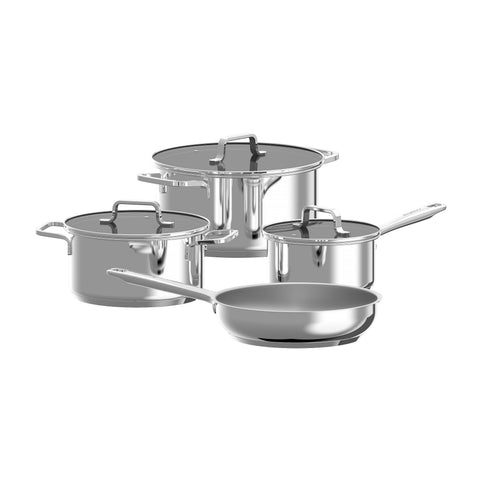
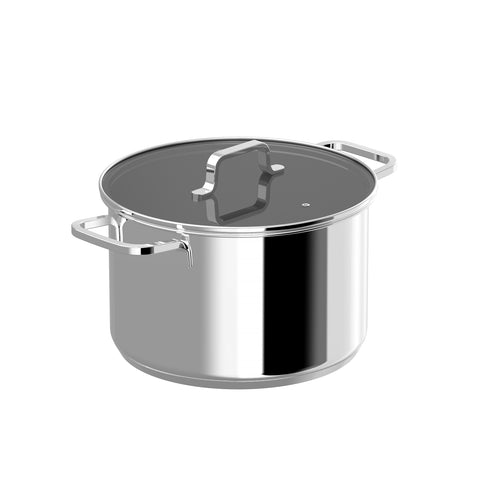
Pots, casseroles and glass lids
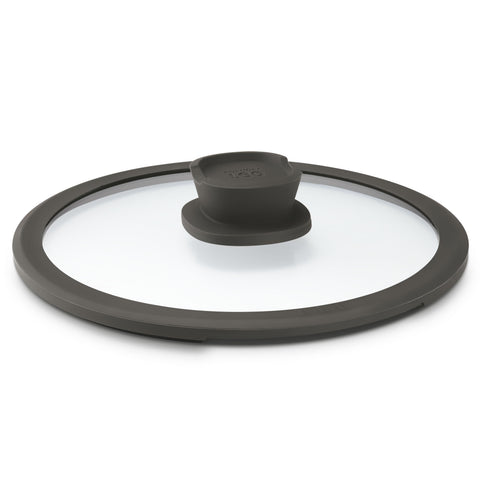
Burnt-on pot bottoms and cracked glass lids are usually caused by heat that is too high for what is in the pot or by sudden temperature changes, rather than by the pot itself.
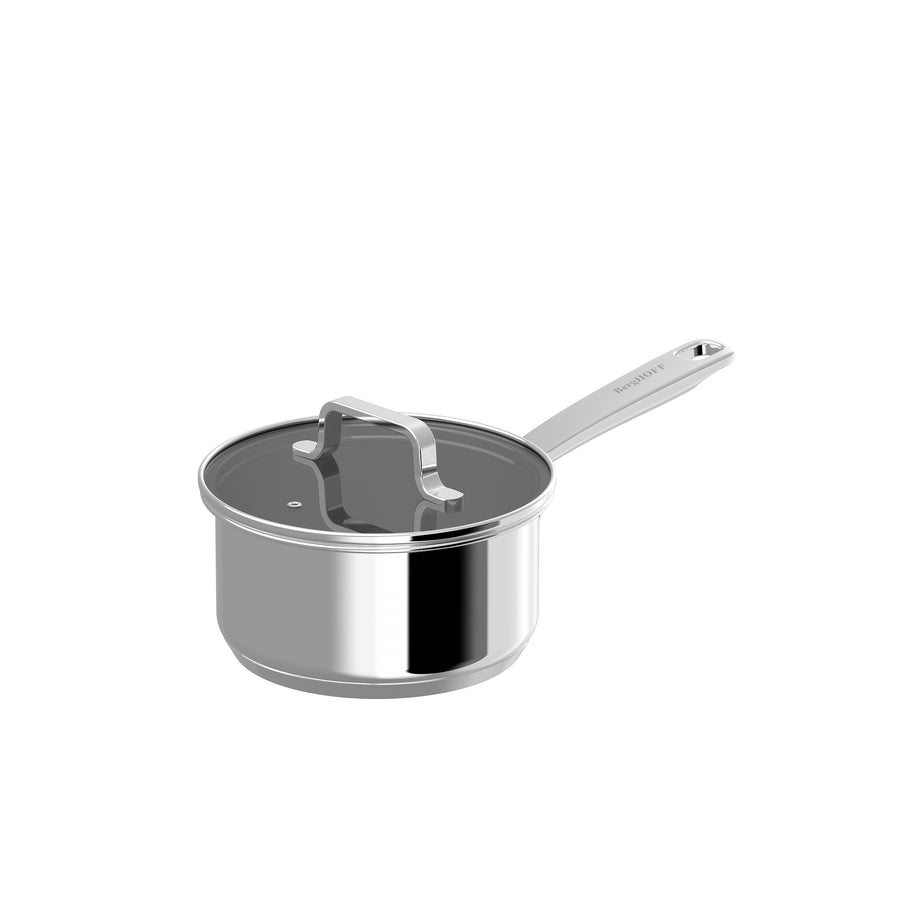
Cooking on full power with too little liquid
Why it matters: Thick sauces, rice, milk and stews catch on the base once the liquid reduces, and the hottest spot burns first.
Do this instead: Bring to the boil, then turn down to a simmer and stir thick dishes from the bottom.
Attacking a burnt bottom with steel wool or a knife
Why it matters: On stainless steel it leaves deep scratches, and on a non-stick pot it destroys the coating.
Do this instead: Soak the pot in warm soapy water first; in an uncoated stainless steel pot, simmer water with a spoonful of baking soda and loosen the residue with a wooden spatula.
Putting a hot glass lid into cold water or onto a wet surface
Why it matters: Glass does not cope well with sudden temperature changes, and a thermal shock can crack the lid.
Do this instead: Let the lid cool on a dry surface or a trivet before you wash it.
Resting the lid directly on a hot hob
Why it matters: A hot zone or burner heats the glass from one side only, which the lid is not made for.
Do this instead: Put the lid down on a trivet or a dry, heat-resistant surface.
Putting a glass lid in a hotter oven than it is made for
Why it matters: According to the manufacturer, the glass lids we sell go in the oven up to 180 °C. That can be lower than the pot: Graphite stainless steel casseroles go up to 250 °C, but their glass lids only up to 180 °C.
Do this instead: Above 180 °C, cook without the glass lid, or check the product details for the lid's own limit.
Lifting the lid by the knob without an oven glove
Why it matters: The knob gets hot on the hob and in the oven, and a lid that slips from your hand can chip or break.
Do this instead: Use an oven glove or a folded cloth, and tilt the lid away from you so the steam escapes on the far side.
Using a hob zone that does not match the pot
Why it matters: Heat that spreads past a small base scorches the sides and the handles, and on an induction hob the pot heats most evenly when its base covers the zone.
Do this instead: Choose the zone or burner closest in size to the base, and keep gas flames under the base.
Storing glass lids under heavy pans
Why it matters: Pressure and knocks on the glass edge can chip it.
Do this instead: Store lids upright or in a lid rack.
| Series | Glass lid: dishwasher | Glass lid: oven (max.) |
|---|---|---|
| Balance glass lids | Dishwasher-safe | 180 °C |
| Dune glass lids | Dishwasher-safe | 180 °C |
| Glints glass lids | Dishwasher-safe | 180 °C |
| Stone+ glass lids | Hand wash only | 180 °C |
Manufacturer data for the glass lids sold separately. The oven limit of a pot can be higher than that of its lid; for pots, see the stainless steel and non-stick tables above.
Products in this section
Shop the range
Enamelled cast iron
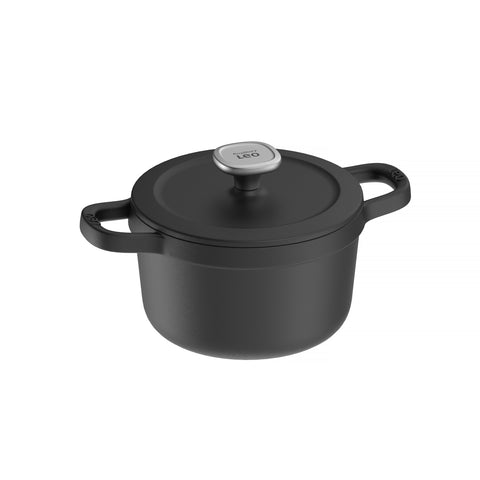
Enamelled cast iron needs gentle heating and no sudden temperature changes, so heat it slowly on low to medium, never pour cold water into a hot pot, and wash it by hand.
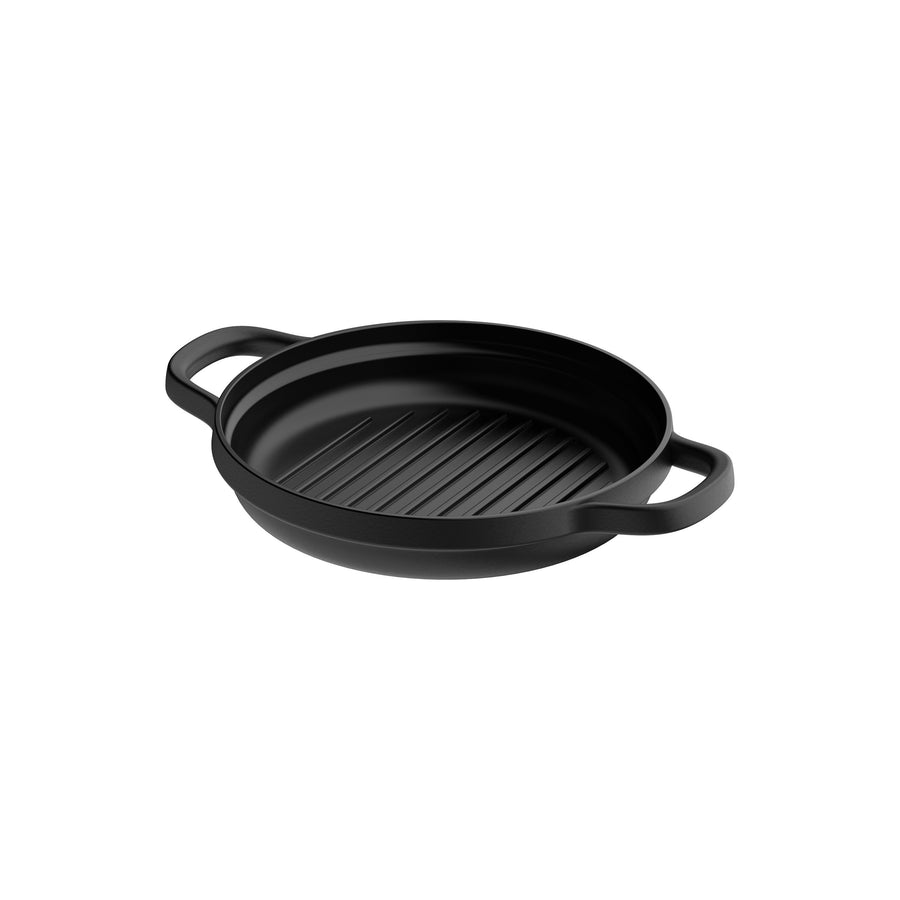
Heating it fast on high
Why it matters: Cast iron heats up slowly and then holds the heat, so on full power food can burn before the whole base is evenly hot.
Do this instead: Heat it slowly on low to medium and give it time.
Preheating it empty
Why it matters: With nothing in it, the enamel takes the full heat of the hob directly.
Do this instead: Add a little oil or fat before you start heating.
Pouring cold water into a hot pot
Why it matters: A sudden change in temperature can damage the enamel.
Do this instead: Let the pot cool before you wash it or add cold liquid.
Putting it in the dishwasher
Why it matters: Graphite cast-iron cookware is hand wash only according to the manufacturer.
Do this instead: Wash it by hand with warm soapy water and a soft sponge or brush.
Dragging it across a glass-ceramic or induction hob
Why it matters: Cast iron is heavy, and dragging it can scratch the glass surface of the hob.
Do this instead: Lift the pot on and off the cooking zone.
Scraping the enamel with metal utensils
Why it matters: Metal tools can mark the matt enamel interior.
Do this instead: Use wooden, nylon or silicone utensils.
Putting it away damp
Why it matters: Moisture trapped under the lid during storage can leave marks and rust spots on cast iron.
Do this instead: Dry it thoroughly straight after washing, and now and then rub the interior with a little cooking oil, as BergHOFF recommends.
Stacking pieces without protecting the enamel
Why it matters: Heavy pieces knocking together can chip the enamel. The Graphite cast-iron casserole 20 cm and stockpot 26 cm come with two silicone sleeves for exactly this.
Do this instead: Use the supplied silicone sleeves, or a soft cloth, between stacked pieces.
Graphite enamelled cast iron: hand wash, oven-safe up to 280 °C and suitable for all hob types including induction, according to the manufacturer.
Products in this section
Shop the range
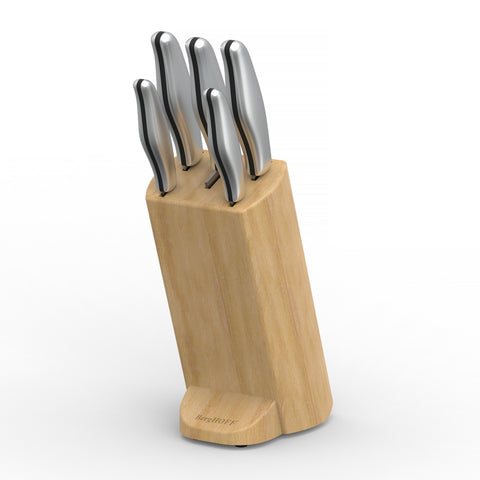
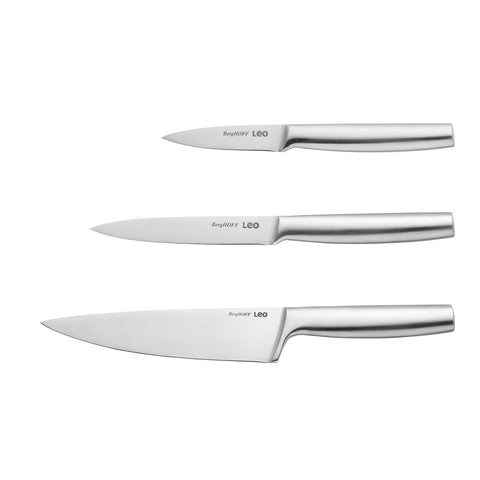
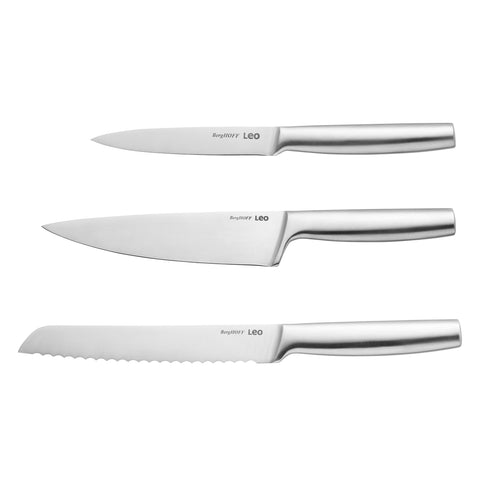
Kitchen knives and sharpening
Kitchen knives go dull fastest in the dishwasher, on hard cutting surfaces and loose in a drawer, while washing by hand, cutting on wood, bamboo or plastic and regular honing keep the edge sharp for longer.
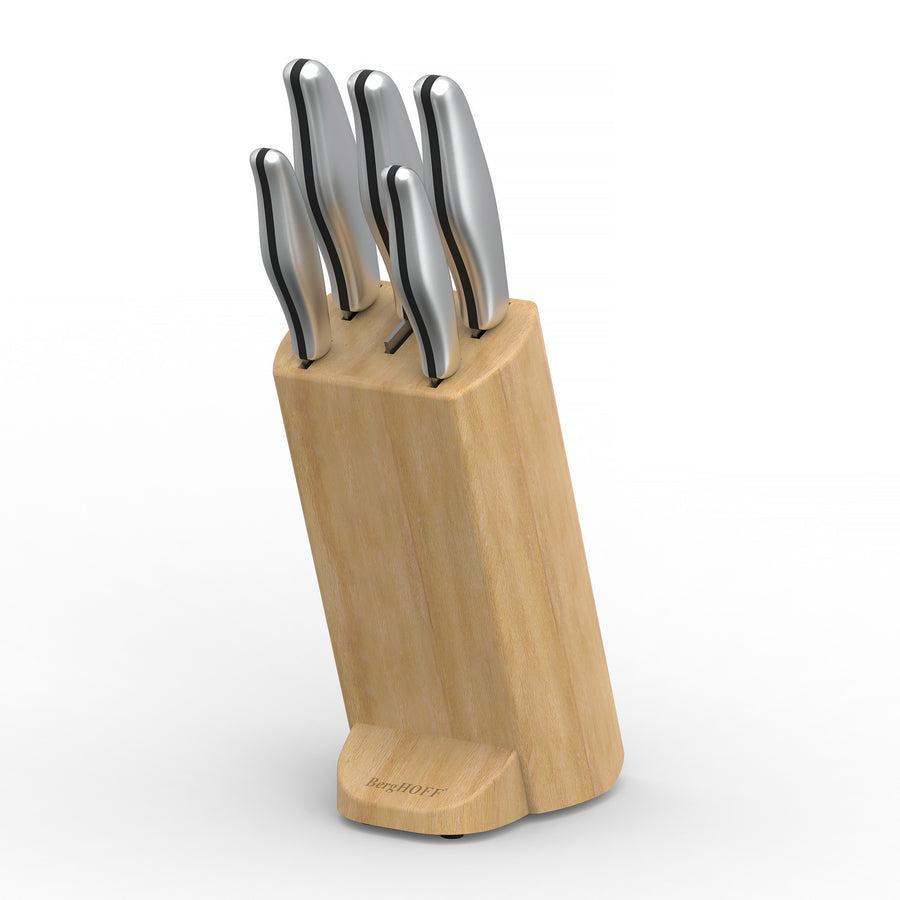
Putting knives in the dishwasher or leaving them to soak
Why it matters: Long contact with water and detergent and knocks against other items dull the edge. Almost all the kitchen knives and knife sets we sell are hand wash only according to the manufacturer; the Pure 4-piece steak knife set is the exception.
Do this instead: Wash the knife by hand straight after use, dry it at once and let it dry completely before it goes back in the block.
Cutting on glass, stone or a plate
Why it matters: Hard surfaces quickly roll or chip the fine edge.
Do this instead: Cut on a wooden, bamboo or plastic board.
Scraping food off the board with the cutting edge
Why it matters: Dragging the edge sideways across the board bends it and blunts it.
Do this instead: Turn the knife over and sweep with the back of the blade.
Keeping knives loose in a drawer
Why it matters: Blades knock against other metal and the edge chips.
Do this instead: Store knives in a knife block, on a magnetic strip or with a blade guard.
Using the blade to pry, twist or open tins
Why it matters: A thin blade is made to cut, not to lever, and the tip or the edge can bend or break.
Do this instead: Use a tin opener or a tool made for the job.
Sharpening with heavy pressure or a sawing motion
Why it matters: Pressing hard or sawing back and forth removes more steel than needed and leaves an uneven edge.
Do this instead: Use light, even strokes along the whole blade, from heel to tip.
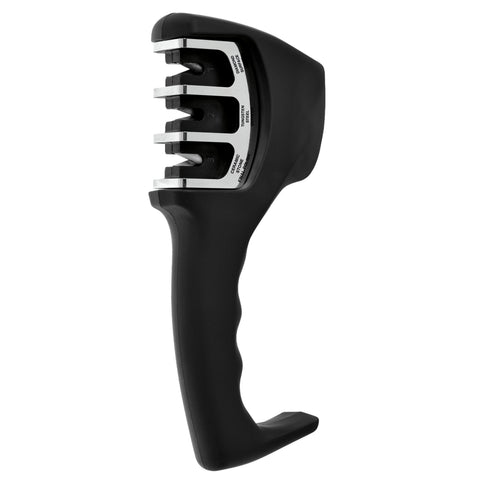
Ignoring the stage order or changing the angle
Why it matters: Each stage of a pull-through sharpener has its own job, and with a sharpening steel an inconsistent angle rounds the edge instead of straightening it.
Do this instead: Follow the stage order shown on the sharpener; with a steel, keep the same angle and alternate sides.
Putting a serrated knife through any sharpener
Why it matters: Not every sharpener is made for serrated edges such as bread knives.
Do this instead: Check the sharpener's product details before you sharpen a serrated blade.
According to the manufacturer, all the kitchen knives and knife sets we sell are hand wash only, except the Pure 4-piece steak knife set, which is dishwasher-safe. Knife sharpeners are hand wash only.
Products in this section
Read more
Shop the range
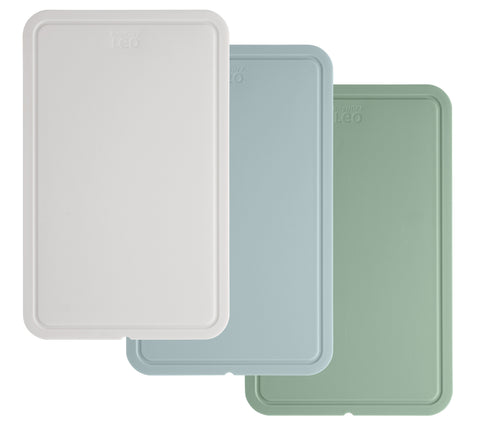
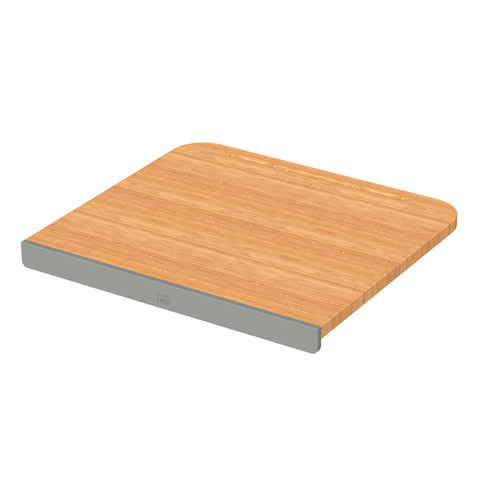
Cutting boards
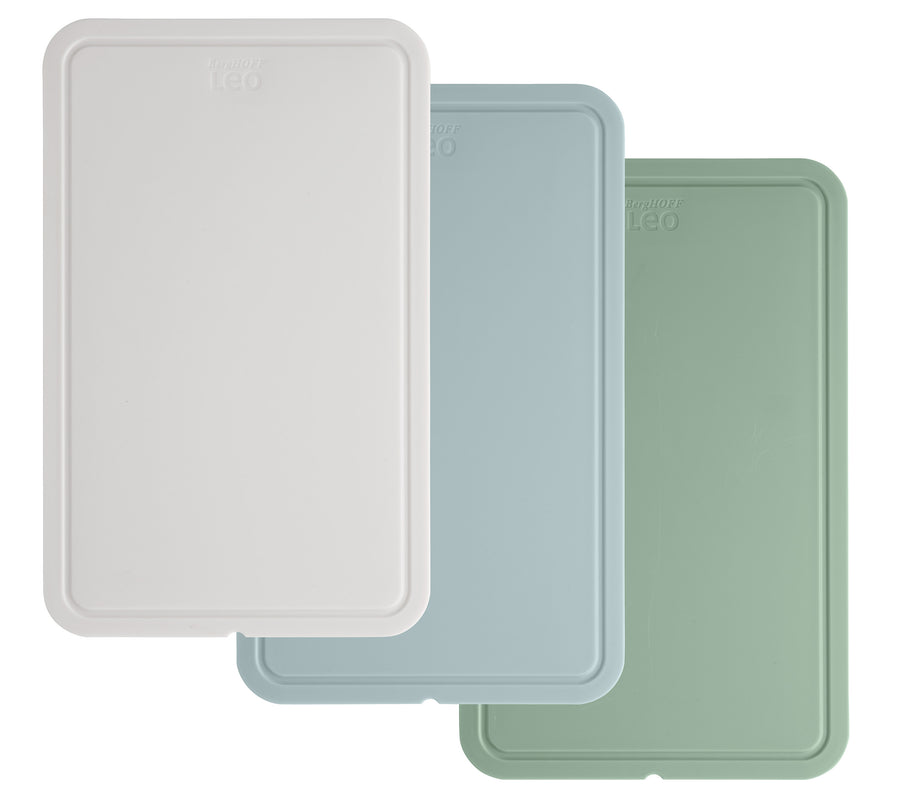
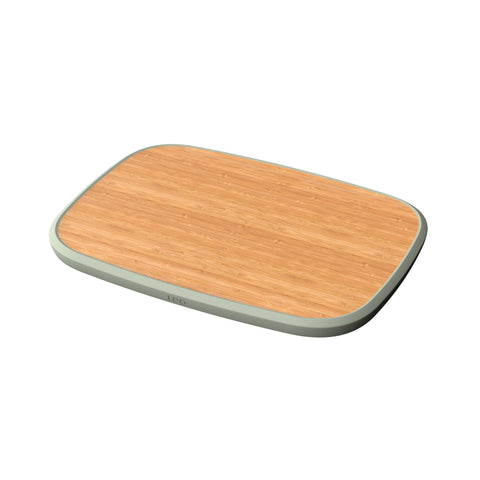
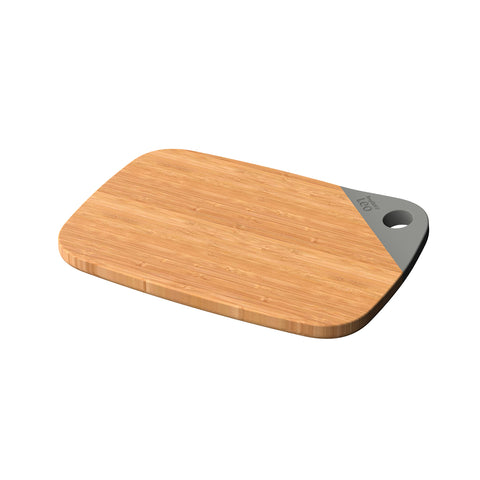
Bamboo cutting boards crack and warp mainly from soaking, the dishwasher and drying near heat, while the polypropylene board sets from Legacy and Elements are dishwasher-safe according to the manufacturer.
Soaking a bamboo board or putting it in the dishwasher
Why it matters: Bamboo takes up water and swells, then shrinks again as it dries, which leads to cracks and warping. The bamboo boards we sell are hand wash only according to the manufacturer.
Do this instead: Wash it by hand with hot soapy water straight after use.
Drying the board on a radiator or next to the hob
Why it matters: Fast drying from one side makes bamboo bend and split.
Do this instead: Let it dry standing upright at room temperature.
Laying the board flat or putting it away damp
Why it matters: Water trapped under a flat board dries slowly on one side only and can leave a musty smell.
Do this instead: Put the board away only when it is completely dry, with air around it.
Never oiling a bamboo board
Why it matters: A dry board takes up more water and juices and cracks more easily.
Do this instead: Now and then, rub it with a thin coat of oil made for wooden cutting boards.
Using one board for raw meat or fish and for food that will not be cooked
Why it matters: Juices from raw meat or fish stay on the board and end up on bread, fruit or salad.
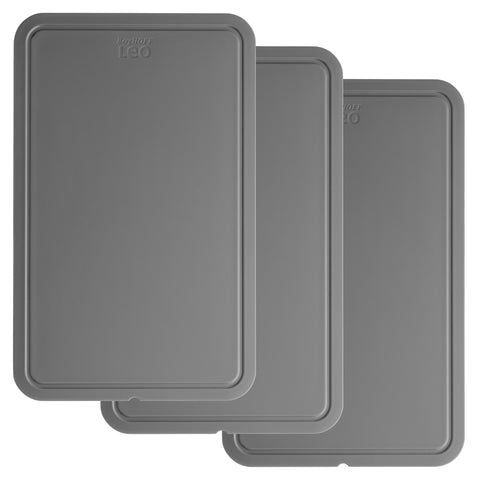
Do this instead: Keep a separate board for raw meat and fish; a 3-piece board set, such as the Legacy or Elements set, makes this easy.
According to the manufacturer, the bamboo boards are hand wash only, and the Legacy and Elements polypropylene 3-piece board sets are dishwasher-safe.
Products in this section
Shop the range
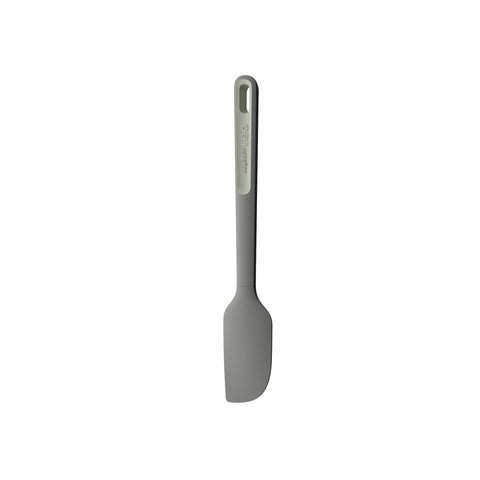
Graters, peelers, utensils and mills
Graters, peelers, utensils and mills last longest when food never dries on them, metal tools stay out of non-stick pans and salt and pepper mills are kept dry.
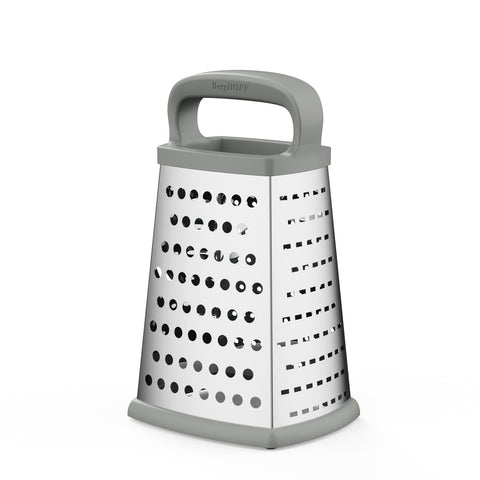
Wiping a sponge across the grater teeth
Why it matters: The teeth shred the sponge and push food further into the holes.
Do this instead: Clean the holes with a small brush under running water.
Letting food dry on
Why it matters: Dried cheese, garlic or starch sets hard in grater holes and garlic press chambers.
Do this instead: Rinse tools straight after use, before anything dries on.
Using metal utensils in non-stick pans
Why it matters: Metal turners, whisks and spoons scratch the coating.
Do this instead: Use nylon or silicone tools, such as the Balance nylon range, on non-stick cookware.
Leaving utensils resting in a hot pan
Why it matters: Handles heat up, and nylon or silicone heads are not made to sit on a hot base for long.
Do this instead: Put them on a spoon rest between stirs.
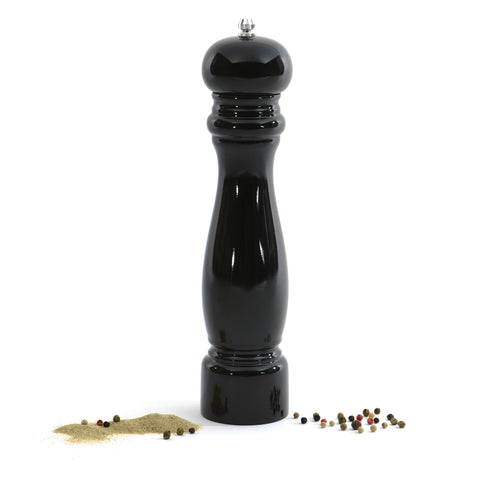
Washing a salt or pepper mill in water or in the dishwasher
Why it matters: Moisture makes the grinding mechanism clog and the contents clump. All the salt, pepper and spice mills we sell are hand wash only according to the manufacturer.
Do this instead: Wipe the outside with a damp cloth and keep the mechanism dry.
Grinding over a steaming pan
Why it matters: Steam rises into the mill and dampens what is inside.
Do this instead: Grind onto a spoon or a plate, away from the hob.
Filling a mill with moist or oily contents
Why it matters: The mechanism is made for dry peppercorns, salt or spices, and damp or oily contents clog it.
Do this instead: Fill only with what the mill is intended for, and refill over a bowl or the sink.
Using kitchen tools as levers
Why it matters: Spatulas, spoons and peelers bend or snap when used to prise lids open.
Do this instead: Use each tool for its own job, and a jar or tin opener for the rest.
Dishwasher use differs within each range: for example, the Leo paddle and zester graters are dishwasher-safe, while the Leo and Essentials box graters are hand wash only. All salt, pepper and spice mills are hand wash only. Check the product details for each tool.
Products in this section
Read more
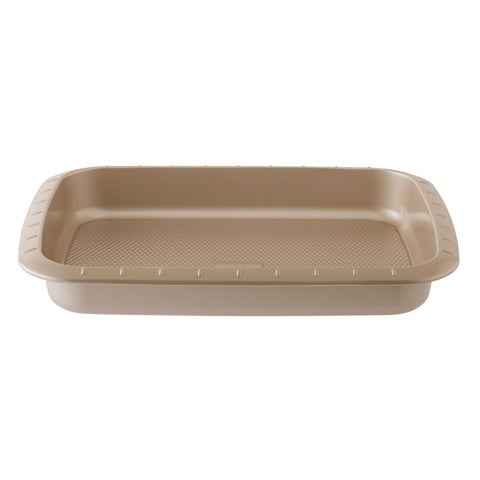
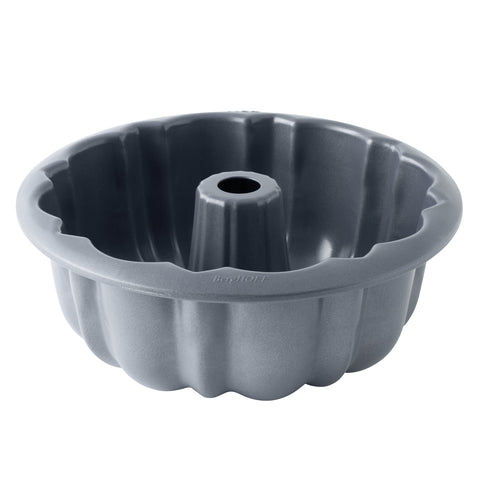
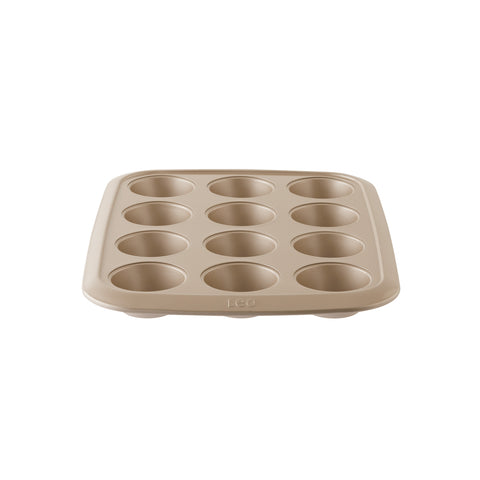
Baking tins
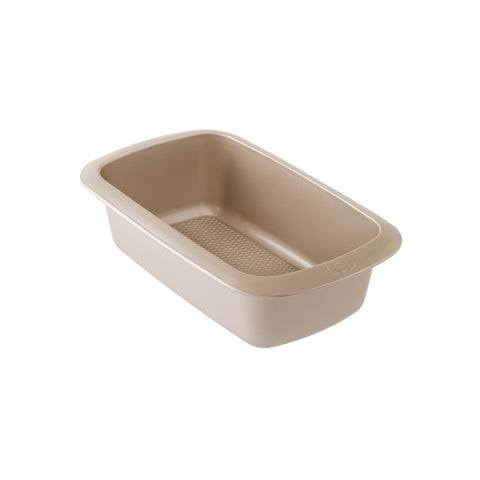
Non-stick baking tins keep releasing cleanly when they are greased lightly, never cut in, washed by hand and dried straight away.
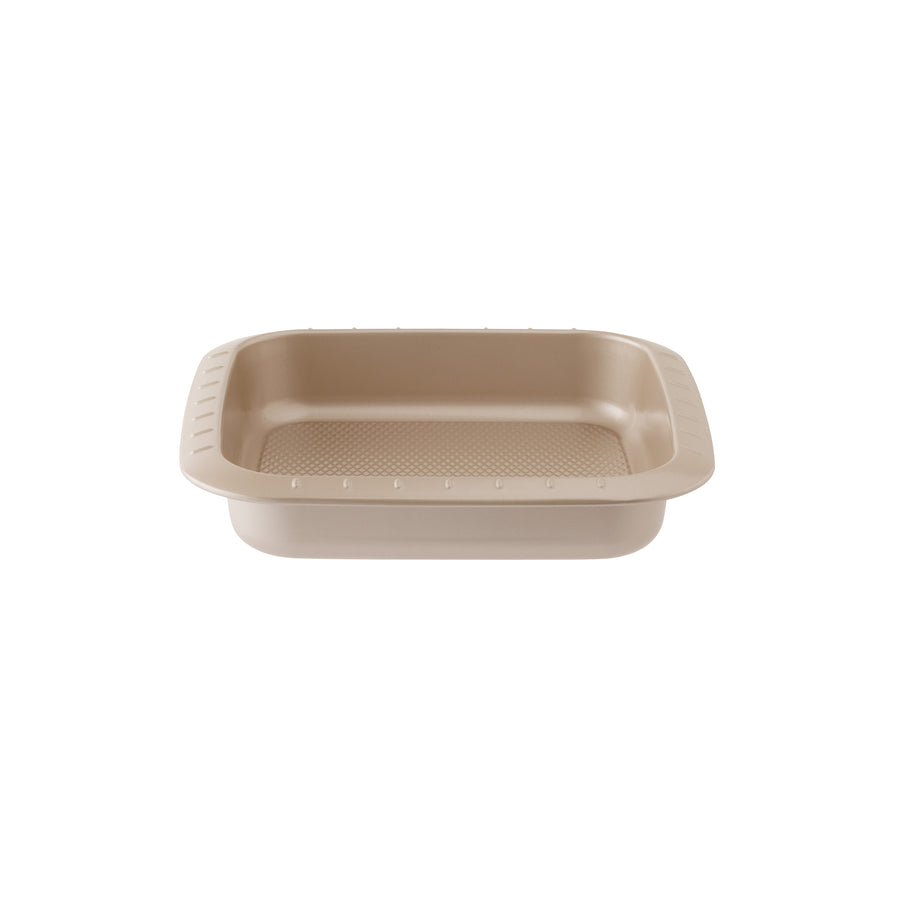
Skipping a light greasing
Why it matters: Even a non-stick surface releases sticky batters and sugar more cleanly with a thin film of fat.
Do this instead: Brush the tin lightly with butter or oil before filling it.
Cutting the cake in the tin
Why it matters: The knife cuts through the coating as well as the cake.
Do this instead: Turn the bake out first, or open the springform ring, and then cut.
Putting baking tins in the dishwasher
Why it matters: The baking tins we sell are hand wash only according to the manufacturer.
Do this instead: Wash them by hand with a soft sponge and mild washing-up liquid.
Baking above the maximum oven temperature
Why it matters: The coating is rated for a set temperature: 230 °C for the Balance non-stick tins, according to the manufacturer.
Do this instead: Stay within the oven temperature given in the product details.
Washing the tin while it is still hot
Why it matters: A sudden change in temperature strains the metal and the coating.
Do this instead: Let the tin cool before you wash it.
Leaving tins wet
Why it matters: Under the coating the tins are carbon steel, and water left on them can cause rust spots.
Do this instead: Dry the tin completely straight after washing.
Stacking tins without protection
Why it matters: The rim of one tin scratches the coating of the next.
Do this instead: Put kitchen paper or a cloth between nested tins.
According to the manufacturer, all the baking tins we sell are hand wash only; the Balance non-stick tins go up to 230 °C. For other tins, see the product details.
Products in this section
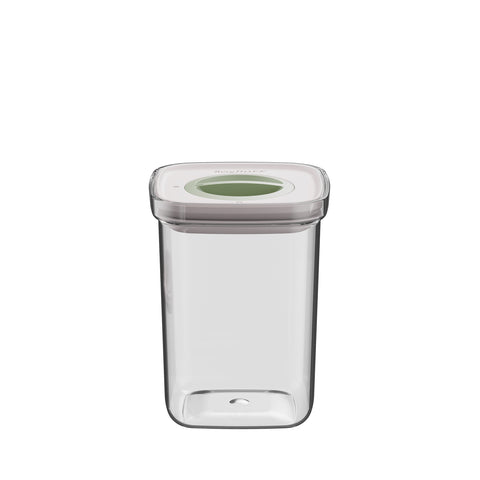
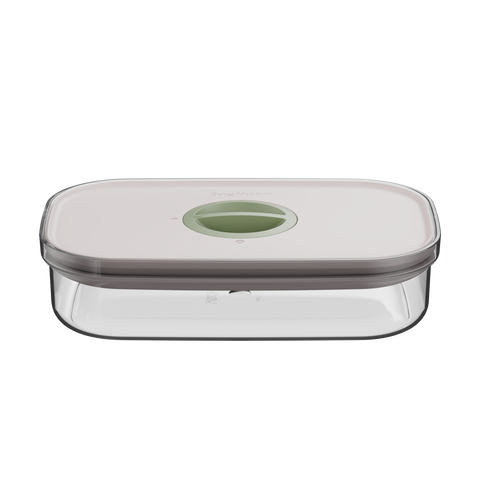
Food containers and lunch boxes
Food containers and lunch boxes stop sealing well mainly because lids are heated while closed, seals are not taken out for washing, or containers are stored closed while still damp.
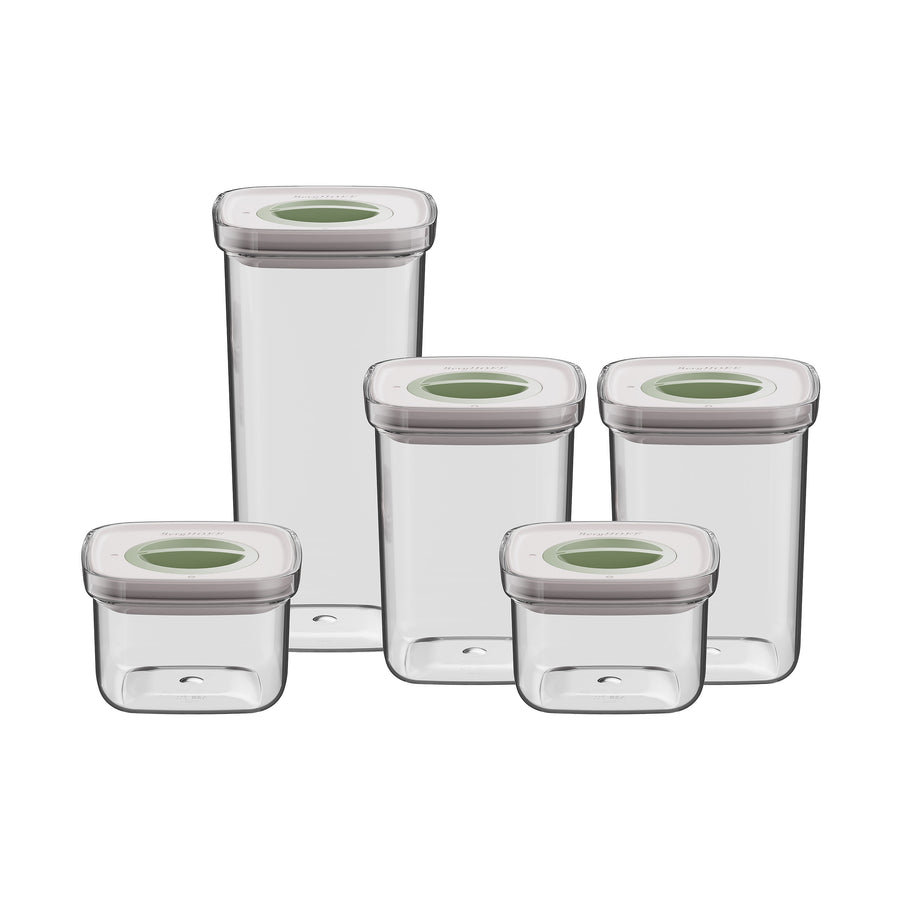
Heating food with the lid sealed
Why it matters: Steam builds up pressure inside the container and can deform the lid and the seal.
Do this instead: Open or remove the lid before heating, and use the microwave only for containers whose product details allow it.
Closing the lid over very hot food
Why it matters: As the food cools, the lid is pulled down hard onto the seal, which makes it difficult to open and wears the seal.
Do this instead: Let hot food cool a little before you close the lid.
Washing the lid without taking out the seal
Why it matters: Food and water collect under the seal, causing smells and a seal that no longer sits properly.
Do this instead: Take out the seal, wash all parts separately and let them dry.
Putting the lid in the dishwasher when the details say "without lid"
Why it matters: According to the manufacturer, Perfect Seal containers are dishwasher-safe without the lid, so the lid itself is washed by hand.
Do this instead: Wash those lids by hand, and check the product details for every container.
Putting a container in the oven without checking
Why it matters: According to the manufacturer, only the Perfect Seal glass containers are oven-safe: up to 250 °C and without the lid.
Do this instead: Use the oven only for containers whose product details allow it, and always without the lid.
Storing empty containers with the lid clipped shut
Why it matters: The seal stays compressed and loses its spring, and any moisture inside causes smells.
Do this instead: Store lids unclipped or resting loosely on top.
Overfilling
Why it matters: The lid cannot close evenly and the seal is pushed out of place.
Do this instead: Leave a little space below the rim.
According to the manufacturer, most of our food containers and lunch boxes are dishwasher-safe, Perfect Seal containers without the lid. Only the Perfect Seal glass containers go in the oven, up to 250 °C without the lid. Microwave use is stated per product.
Products in this section
Read more
Shop the range
Thermal flasks, bottles and kettles
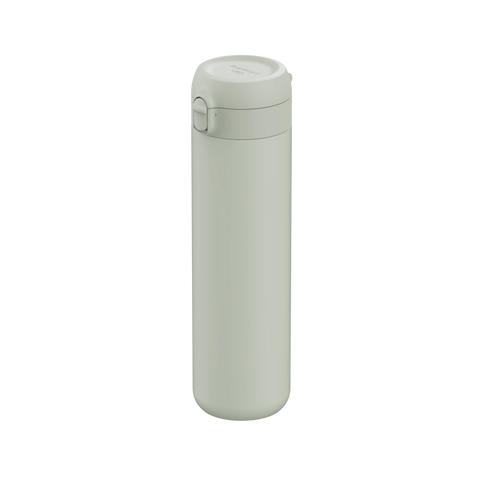
Thermal flasks keep drinks hot or cold longest when they are preheated or pre-cooled and dried with the lid off, and stovetop kettles last longest when they are never heated empty and are descaled regularly.
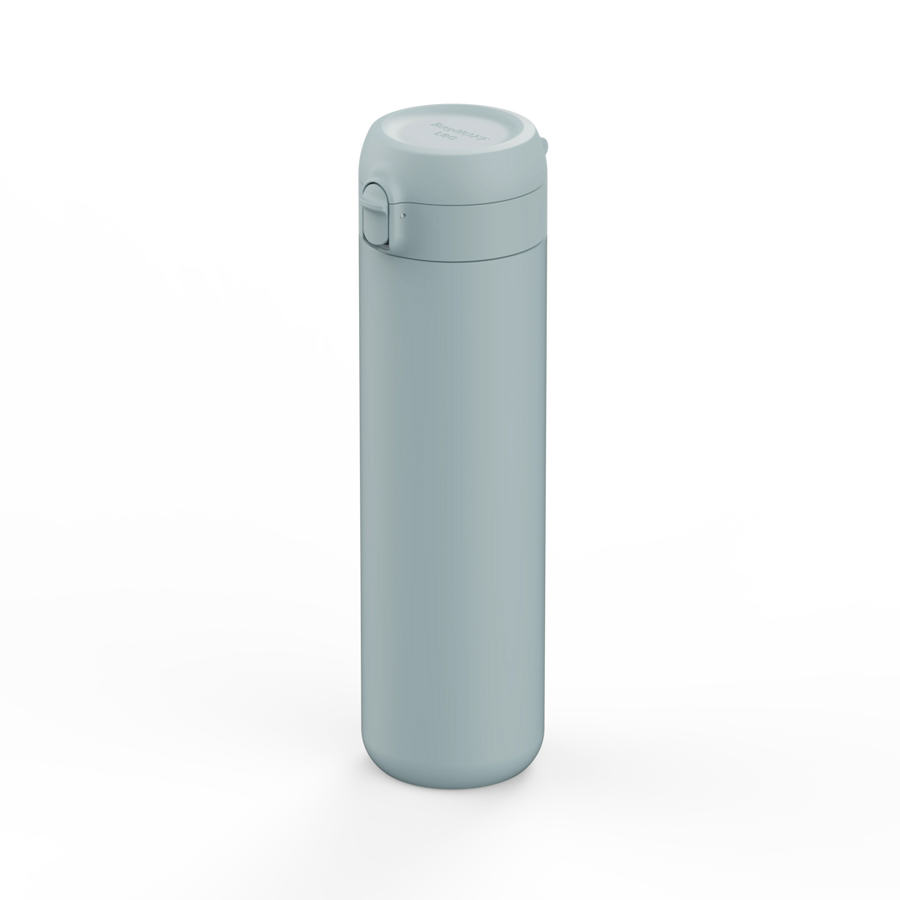
Pouring a hot drink into a cold flask
Why it matters: Part of the heat goes into warming the inner wall instead of staying in the drink.
Do this instead: Preheat the flask with hot water for a few minutes, or pre-cool it with cold water, before filling.
Filling it right up to the lid
Why it matters: The lid cannot close properly, and hot liquid can spill when you open it.
Do this instead: Leave a little space below the lid.
Storing the flask closed while it is still damp
Why it matters: Trapped moisture leads to smells and a stale taste.
Do this instead: Let all parts dry with the lid off before you put it away.
Using bleach, abrasive cleaners or the microwave
Why it matters: Bleach and scourers attack the steel and the seals, and an insulated steel flask does not belong in the microwave.
Do this instead: Clean it with warm soapy water and a bottle brush.
Putting a thermal flask in the dishwasher
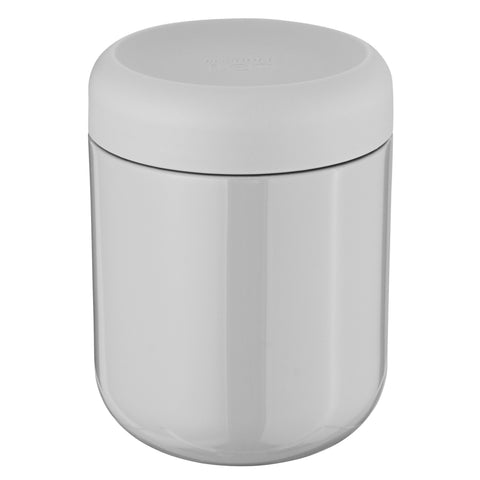
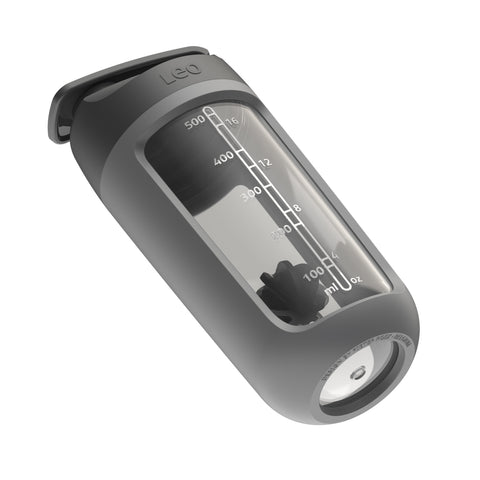
Why it matters: According to the manufacturer, the thermal flasks we sell are hand wash only, while the Leo water bottles and the Leo travel mug are dishwasher-safe and insulated food jars differ by model.
Do this instead: Check the product details for each flask, bottle or food jar.
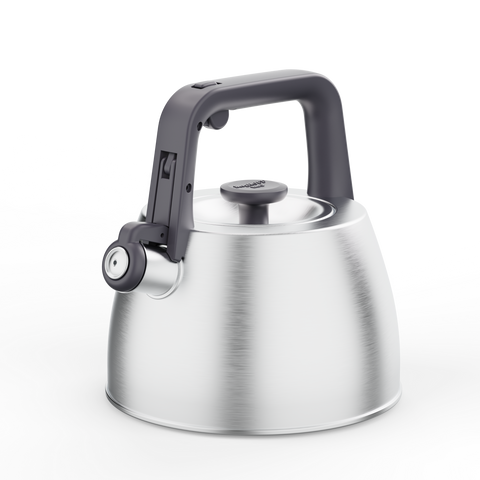
Heating the kettle empty or letting it boil dry
Why it matters: Without water the base overheats.
Do this instead: Always fill the kettle before it goes on the heat, and take it off as soon as the water boils.
Skipping descaling
Why it matters: With hard water, limescale builds up on the base and walls of the kettle.
Do this instead: Descale regularly with vinegar or citric acid, then rinse well.
Letting the flame reach up the sides or the handle
Why it matters: Flames that spread past the base heat the handle and discolour the sides.
Do this instead: Match the burner or zone to the base and keep the flame under the kettle.
According to the manufacturer: thermal flasks are hand wash only; Leo water bottles and the Leo travel mug are dishwasher-safe; insulated food jars differ by model. Of the stovetop kettles, Lucia is dishwasher-safe and Cami and Leo are hand wash only; all three work on every hob type, including induction.
Products in this section
Read more
Keep exploring
Kitchenware care
Frequently asked questions
Which BergHOFF pans can go in the dishwasher?
According to the manufacturer, uncoated stainless steel pans and pots from Graphite, Helix and Balance are dishwasher-safe, while the Elements stainless steel range is hand wash only. All our non-stick cookware – Balance, Dune, Glints, Stone+, Phantom, Helix, Graphite and Elements – is hand wash only. In mixed sets, wash the non-stick pieces by hand.
What is the most common reason a non-stick pan stops working?
Usually heat and abrasion rather than age: preheating the pan empty, cooking on high heat, metal utensils, steel wool and the dishwasher all wear the coating down. Cook on low to medium heat with a little oil, use wooden, nylon or silicone utensils and wash the pan by hand.
Why does food stick to a stainless steel pan?
Mostly because the pan is not hot enough when the food goes in, or the food is turned too early. Preheat the pan on medium heat, add the oil, then the food, and wait until it lifts from the base on its own before turning it.
How often should kitchen knives be sharpened?
It depends on how often you cook and what you cut on, so there is no fixed interval. Hone the edge regularly with a sharpening steel, and sharpen the knife when it no longer cuts cleanly through food, for example when it slides on a tomato skin instead of cutting it.