
A classic beef stew is chunks of beef chuck, browned well and then cooked slowly with onion, carrots, celery and potatoes in a rich, thyme-scented gravy. This beef stew recipe serves 6 and takes about 3½ hours, but only 30 minutes of that is hands-on: once the pot is in the oven, it looks after itself. It works because the connective tissue in chuck melts into soft, juicy meat during a long, gentle braise, and the all-round heat of the oven cooks it evenly with no risk of a burnt base.
| Preparation | 30 minutes |
|---|---|
| Cooking | 3 hours (2½ hours in the oven) |
| Total | about 3½ hours |
| Servings | 6 |
| Difficulty | Easy |
| What you need | A wide ovenproof pot with a lid (at least 4.5 litres), a large bowl, a wooden spoon, tongs |
Ingredients for beef stew
For the beef
- 1 kg beef chuck (braising steak), cut into 4–5 cm chunks
- 2 tbsp plain flour
- 1 tsp salt
- ½ tsp freshly ground black pepper
- 3 tbsp sunflower or rapeseed oil
For the sauce and vegetables
- 2 onions (about 300 g), chopped
- 2 celery sticks, sliced
- 3 garlic cloves, crushed
- 2 tbsp tomato paste
- 250 ml dry red wine or dark ale (or extra beef stock)
- 750 ml beef stock
- 1 tbsp Worcestershire sauce or soy sauce
- 4 sprigs fresh thyme (or 1 tsp dried thyme)
- 2 bay leaves
- 4 carrots (about 400 g), cut into 3 cm chunks
- 600 g waxy or all-rounder potatoes, peeled and cut into 4 cm chunks
To serve
- 2 tbsp chopped parsley, to serve
How to make beef stew
- Heat the oven and season the beef. Heat the oven to 160 °C (140 °C fan). Pat the beef dry with kitchen paper, then toss it in a bowl with the flour, salt and pepper until every piece is lightly coated.
- Brown the beef in batches. Heat 1 tbsp of the oil in a wide, ovenproof pot with a lid over a medium-high heat. Add a third of the beef in a single layer, with space between the pieces, and leave it for 2 minutes before turning. Brown it well on all sides, 4–5 minutes per batch, then lift it onto a plate. Repeat with the rest, adding a little more oil as needed.
- Soften the vegetables. Turn the heat down to medium. Add any remaining oil, the onions and celery, and cook for 8 minutes, stirring and scraping up the brown bits from the base, until soft and golden. Stir in the garlic and cook for 1 minute more.
- Cook the tomato paste. Stir in the tomato paste and cook for 2 minutes, until it darkens slightly and starts to stick to the base. This takes away its raw taste and deepens the colour of the sauce.
- Deglaze the pot. Pour in the wine or ale and let it bubble for 2–3 minutes, scraping the base of the pot, until it has reduced by about half.
- Bring it all together. Return the beef and any juices from the plate to the pot. Add the carrots, stock, Worcestershire sauce, thyme and bay leaves and stir. The liquid should almost cover the meat; add a splash of water if it does not. Bring to a gentle simmer.
- Braise in the oven. Put the lid on and place the pot in the oven for 1 hour.
- Add the potatoes. Take the pot out, stir in the potatoes and push them down into the liquid. Cover again and return to the oven for 1½ hours, until the beef breaks apart easily with a spoon and the potatoes are tender. If the sauce is still thin, take the lid off for the last 20–30 minutes.
- Rest and serve. Remove the thyme stalks and bay leaves. Leave the stew to rest for 10 minutes, then taste and add more salt and pepper if needed. Scatter over the parsley and serve.
What to cook beef stew in
For a beef stew in the oven, you need one pot that can do everything: brown the meat on the hob, then go into the oven with its lid on. A wide base lets you brown the beef in three batches rather than five, a heavy base stops the onions and floury coating from scorching, and a well-fitting lid keeps the liquid from drying out. Choose a pot that holds at least 4.5 litres. You will find pots suited to slow cooking in our pots and pans for stews, and the whole range in our casseroles.
A large stainless steel pan that goes from hob to oven
The Helix stainless steel covered 2-handle sauté pan 28 cm holds 5.5 litres and is 28 cm wide inside, so a whole batch of stew fits with room to stir. Its recycled 18/10 stainless steel body and encapsulated base spread the heat evenly for good browning. The pan is ovenproof up to 250 °C and the black tinted glass lid up to 180 °C, well above the 160 °C this stew needs. It works on all hobs including induction, has capacity marks inside and is dishwasher safe.
A non-stick option with a self-basting lid
The Phantom non-stick covered 2-handle sauté pan 28 cm holds 4.7 litres. Its recycled cast aluminium body heats quickly and evenly, and the CeraGreen ceramic non-stick coating makes it easy to clean after a long braise. The lid has condensation bumps on the inside that drip moisture back onto the meat. It suits all hobs including induction and is ovenproof up to 230 °C once you remove the silicone handle sleeves. Hand washing is recommended.
No ovenproof pot? You can cook the stew on the hob instead. After step 6, cover the pot and keep it at the lowest heat, with only an occasional bubble, for 2–2½ hours, adding the potatoes after 1 hour. Stir every 30 minutes so nothing catches on the base. Our Dutch oven guide explains what makes a good braising pot.
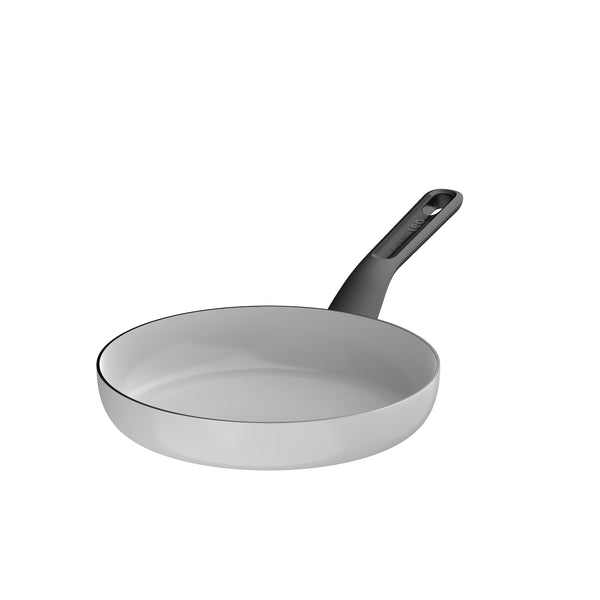
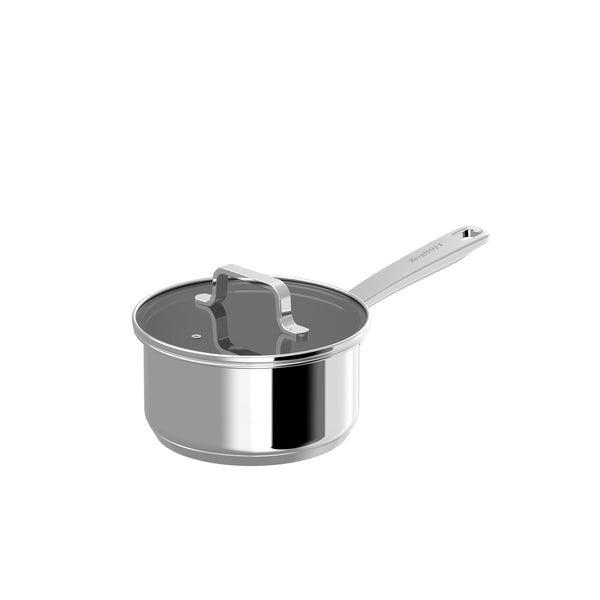
Complete your kitchen: one large pot for stews and soups, a saucepan for potatoes or rice and a frying pan cover almost every dinner, and our cookware sets bring them together.
Tips and common mistakes
- The beef is grey, not brown. The pot was overcrowded or the meat was wet, so it steamed. Dry the beef well, brown it in batches and do not move it for the first 2 minutes.
- The meat is tough. It needs more time, not less. Chuck goes firm before it turns tender, so give it another 20–30 minutes and test again.
- The potatoes have fallen apart. They went in too early or they were very floury. Add them after the first hour and use a waxy or all-rounder variety.
- The sauce is too thin. Leave the lid off for the last 20–30 minutes, or lift out a few potato chunks, mash them and stir them back in.
Variations
Beef and ale stew
Use a dark ale, porter or stout instead of red wine, and add 1 tsp of brown sugar with the stock to balance its bitterness. This is the pub-style version you find across Britain and Ireland.
Beef stew with mushrooms
Fry 250 g of quartered mushrooms in a little butter in a separate pan until golden, then stir them in with the potatoes. They add a deep, savoury flavour and go well with red wine.
What to serve with beef stew
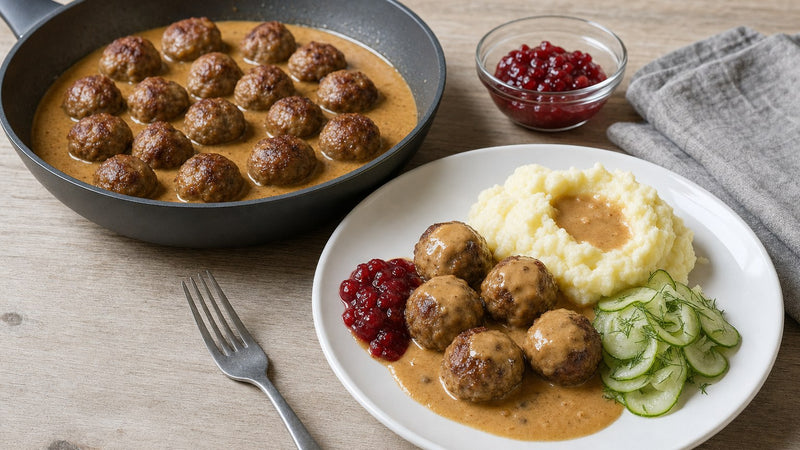
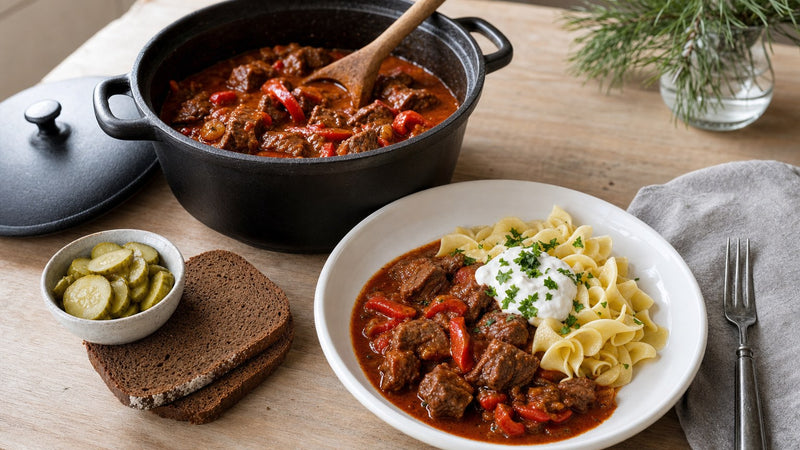
With potatoes already in the pot, all you need is crusty bread or rye bread to mop up the gravy, and perhaps a crisp green salad. If you like slow-cooked beef, also try our beef goulash: it is built on lots of onion and sweet paprika rather than wine, stock and herbs, so it tastes smokier and more peppery. For a quicker beef dinner on a weeknight, our Swedish meatballs with creamy gravy are ready in an hour.
Beef stew FAQ
What is the best beef for stew?
Chuck is the classic choice for the best beef stew, because its fat and connective tissue melt during slow cooking. Shin and blade also work well. Avoid lean, quick-cooking steaks.
How long does beef stew take in the oven?
At 160 °C (140 °C fan), allow about 2½ hours. The stew is ready when the beef breaks apart easily with a spoon; depending on the cut, this can take up to 3 hours.
Can I make beef stew without wine?
Yes. Replace the wine with the same amount of beef stock and add 1 tbsp of red wine vinegar or balsamic vinegar at the end for a little acidity.
Can I make beef stew ahead and freeze it?
Beef stew tastes even better the next day. Keep it covered in the fridge for up to 3 days and reheat it gently until piping hot. It freezes well for up to 3 months, although the potatoes become slightly softer.
This image is illustrative and was created with AI.